Revelation 20:15
15 And anyone not found written in the Book of Life was cast into the lake of fire.
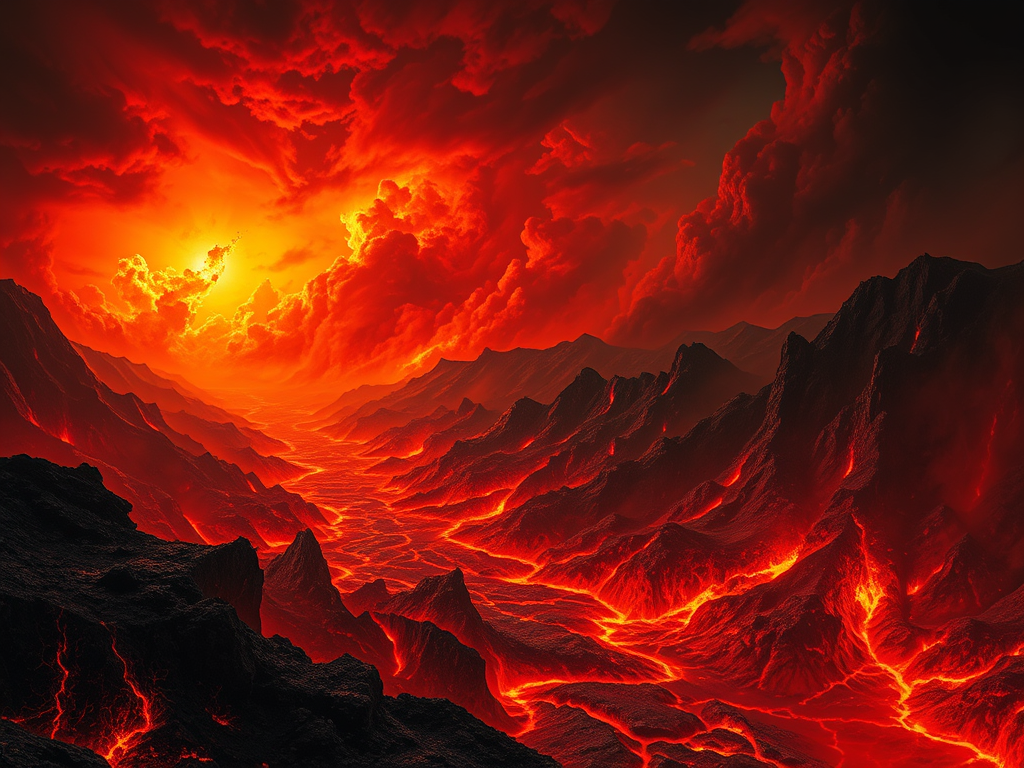
LAKE OF FIRE – HELL
In biblical Christianity, hell is understood as a real, eternal place of punishment for the wicked and unrepentant—those who die without being reconciled to God through faith in Jesus Christ.
Key Biblical Themes and Descriptions of Hell:
1. A Place of Judgment and Separation from God
- Matthew 25:41 – Jesus describes hell as “the eternal fire prepared for the devil and his angels.”
- 2 Thessalonians 1:9 – It is “eternal destruction, away from the presence of the Lord.”
- It’s not merely physical torment, but spiritual: separation from the goodness, love, and presence of God.
2. Described with Metaphors: Fire, Darkness, and Death
- Fire – Often symbolic of torment and judgment (e.g., “lake of fire” in Revelation 20:14–15).
- Darkness – Jesus calls it “outer darkness, where there is weeping and gnashing of teeth” (Matthew 8:12).
- Worms and decay – Mark 9:48 references a place “where their worm does not die.”
Note: These images are metaphorical but point to real and terrible consequences—they are not meant to be taken lightly.
3. Eternal and Irreversible
- Matthew 25:46 – “And these will go away into eternal punishment, but the righteous into eternal life.”
- No scriptural indication of a second chance after death.
4. Moral and Just Consequence of Sin
- Hell exists because God is just and must deal with evil (Romans 2:5–8).
- But it’s also something people choose by rejecting God’s offer of salvation (John 3:18–19).
The Gospel Message in Light of Hell
Hell is not just a scare tactic—it underscores the seriousness of sin and the urgency of the Gospel. According to Christianity:
- God desires none to perish (2 Peter 3:9),
- and offers forgiveness and eternal life through Jesus Christ (John 3:16).
 BIBLE FACTS OF THE DAY
Leave a comment