1 THESSALONIANS 1:10
10 and to wait for His Son from heaven, whom He raised from the dead, even Jesus who delivers us from the wrath to come.
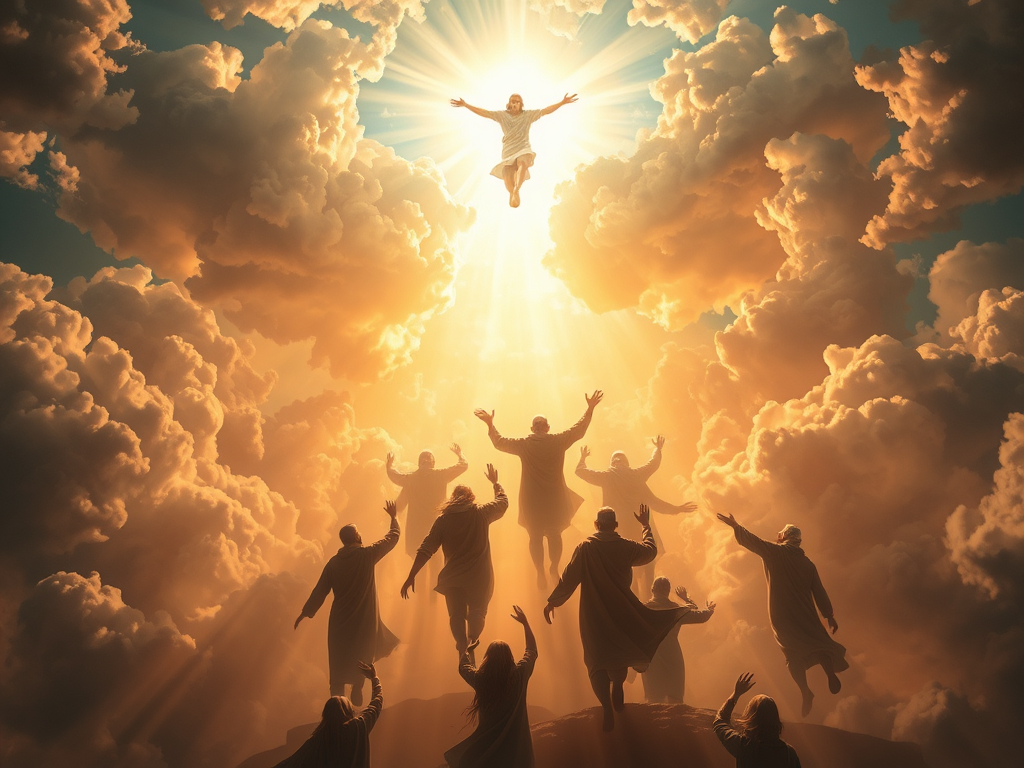
Core arguments for the Pre-Tribulation view
The doctrine of imminence
This view teaches that Jesus could return to rapture believers at any moment, and no other prophetic event must precede it.
- The “Blessed Hope”: Scripture describes Christ’s return as the believer’s “blessed hope” (Titus 2:13). The Pre-Tribulation view argues that this hope is only truly imminent and comforting if no other signs, such as the rise of the Antichrist, must happen first.
- Contradiction for other views: Other rapture timing views, such as Mid- and Post-Tribulation, require certain prophesied events of the Tribulation to occur before Christ’s return. This, proponents argue, would make Christ’s return a predictable, rather than imminent, event.
Deliverance from God’s wrath
Proponents of the Pre-Tribulation view differentiate between general tribulation and God’s specific, eschatological wrath. They believe the Tribulation is a period of God’s wrath from which believers are promised deliverance.
- 1 Thessalonians 1:10: This verse states that Jesus “delivers us from the wrath to come”.
- 1 Thessalonians 5:9: This verse says, “For God did not appoint us to wrath, but to obtain salvation through our Lord Jesus Christ”.
- Revelation 3:10: Jesus’ promise to the church in Philadelphia, “Because you have kept My command to persevere, I also will keep you from the hour of trial which shall come upon the whole world,” is interpreted as a promise to remove the church before the Tribulation.
Distinction between the Church and Israel
The Tribulation is viewed as a time of judgment specifically for Israel to bring the nation to repentance, as prophesied in the Old Testament (Jeremiah 30:7, “the time of Jacob’s trouble”).
- The 70 weeks of Daniel: This prophecy is seen as a timeline for Israel, with a final seven-year period (the 70th week) meant for Israel’s restoration. The Church Age is viewed as a separate time period, or “parenthesis,” between the 69th and 70th weeks. Therefore, the Church would not be present during the 70th week.
- The Church’s absence from Revelation 4–19: The Greek term for “church” (ekklesiae k k l e s i a𝑒𝑘𝑘𝑙𝑒𝑠𝑖𝑎) appears frequently in the first three chapters of Revelation. Proponents note its absence from chapters 4 through 18, which detail the Tribulation judgments. This is interpreted as evidence that the Church has already been raptured.
The Rapture and Second Coming are separate events
The Pre-Tribulation position views the rapture and the Second Coming as two distinct events.
- For His saints vs. with His saints: At the rapture, Christ comes for His saints to meet Him in the air and take them to heaven (1 Thessalonians 4:16–17). At the Second Coming, Christ returns with His saints to earth to defeat His enemies and establish His kingdom (1 Thessalonians 3:13, Revelation 19:14).
- Meeting in the air vs. coming to earth: At the rapture, believers meet the Lord “in the air” and are taken to the Father’s house (John 14:3). At the Second Coming, Jesus descends to earth to reign.
The “Restrainer” is removed
Some interpreters of 2 Thessalonians 2:6–8 identify the “restrainer” of lawlessness as the Holy Spirit, who indwells the Church.
Church and Holy Spirit removed: This view posits that for the “man of lawlessness” (Antichrist) to be revealed during the Tribulation, the restraining influence of the Holy Spirit must first be “taken out of the way”. Since the Holy Spirit indwells all believers, the Church must be removed from the earth for this to happen.
 BIBLE FACTS OF THE DAY
Leave a comment