TITUS 3:3
3 For we too were once foolish, disobedient, deceived, enslaved to various lusts and pleasures, spending our life in malice and envy, hateful, hating one another.
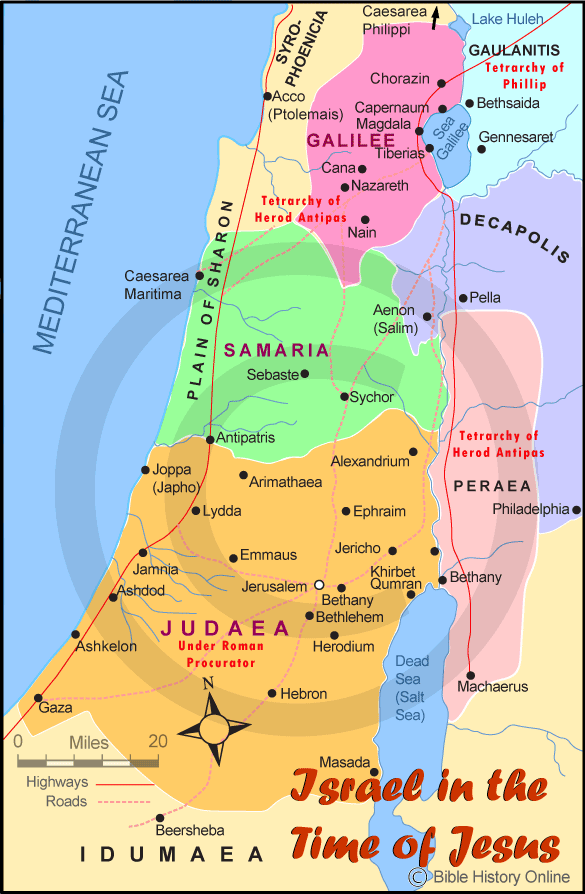
The name of Israel is mentioned 2,314 times in the Old Testament and 85 times in the New Testament. It is the most significant name mentioned after “God”.
Martin Luther did not hate the modern state of Israel, as it was not established until 1948, nearly 400 years after his death. However, he did develop a vicious hatred toward the Jewish people during his lifetime, which is more accurately described as anti-Judaism and antisemitism. His views, particularly those in his later years, were deeply hostile and theological in nature.
Luther’s views shifted dramatically
In his early career, Luther wrote favorably about Jews, believing that the harsh treatment they received from the Catholic Church was the reason they had not converted to Christianity. He argued in his 1523 essay That Jesus Christ Was Born a Jew that Christians should treat Jewish people kindly and gently so they would be drawn to the Christian faith.
By the 1530s, however, Luther grew embittered and frustrated by the lack of Jewish conversions to his reformed Christianity. His anger intensified as he came to believe that Jews actively sought to convert Christians to Judaism. This led to a dramatic and hostile shift in his views.
Theological basis for his hatred
Luther’s animosity towards Jews was rooted in theological differences, though it was expressed in vicious, hateful, and vulgar language. The primary sources of his animosity were:
- Rejection of Jesus as the Messiah: As a biblical scholar, Luther was enraged by the Jewish rejection of Jesus as the Son of God. He viewed this refusal to convert to Christianity as a stubborn and willful offense against God.
- Replacement theology: Luther believed that because Jews had rejected Jesus, God had in turn rejected them and transferred his covenantal promises to the “new Israel,” the Christian church. He saw the long Jewish exile and lack of a homeland as God’s divine punishment.
- Satanic blasphemy: In his later writings, Luther intensified his rhetoric, arguing that Jews were linked to the Devil. He came to view rabbinic teachings as blasphemy against Christ and portrayed Jewish communities as dens of evil.
Infamous later writings
This hatred was most notoriously expressed in his 1543 treatise, On the Jews and Their Lies. In this antisemitic document, he referred to Jews as “a base, whoring people” and “surely possessed by all devils”. It also contained a chilling program of state-sponsored persecution, with “seven measures of ‘sharp mercy’” that included:
- Burning synagogues and schools.
- Razing and destroying their homes.
- Confiscating all Jewish literature.
- Forbidding rabbis from teaching under pain of death.
- Confiscating Jews’ wealth and preventing usury.
- Forcing young, strong Jews and Jewesses into manual labor.
- Expelling them from German territories.
Conflation with modern antisemitism
While Luther’s anti-Judaism was theological, not racial, in its foundation, his writings provided a religious justification for later secular and racial antisemitism. Historians acknowledge that his hateful rhetoric contributed significantly to the development of antisemitism in Germany. The Nazi Party later used Luther’s work to legitimize its persecution of Jews during the Holocaust. Since the 1980s, many Lutheran church bodies have formally denounced and disassociated themselves from Luther’s anti-Semitic works.
 BIBLE FACTS OF THE DAY
Leave a comment